
Beurer PO 30 Pulse Oximeter Fingertip
🔔 Set Price Alert
<ul>
<li><strong>Seconds to a reading</strong> - clip onto the finger, press the button, wait. SpO2 percentage and pulse rate appear on the OLED display; no calibration, no consumables.</li>
<li><strong>Rotating OLED display</strong> - the readout flips through four orientations, so whichever way the finger sits, the numbers face you. Bright enough to read at night without lights.</li>
<li><strong>Universal fit</strong> - accommodates all finger sizes, from grandchildren to grandparents.</li>
<li><strong>Case and lanyard included</strong> - lives in the medicine cabinet or hangs by the bed; the case keeps the sensor window dust-free.</li>
</ul>
<p>Getting reliable readings takes two habits: warm fingers (cold hands reduce circulation and waver the numbers), and no nail polish or artificial nails on the sensor finger. Sit still for the five-second reading - movement corrupts it.</p>
<p>The straight positioning: hospital-grade units cost more and read more exactly, but for home trend-checking - is oxygen trending down across a fever, is the pulse settling after medication - this class of device does the job. It is not a diagnostic instrument; it is an early-warning one.</p>
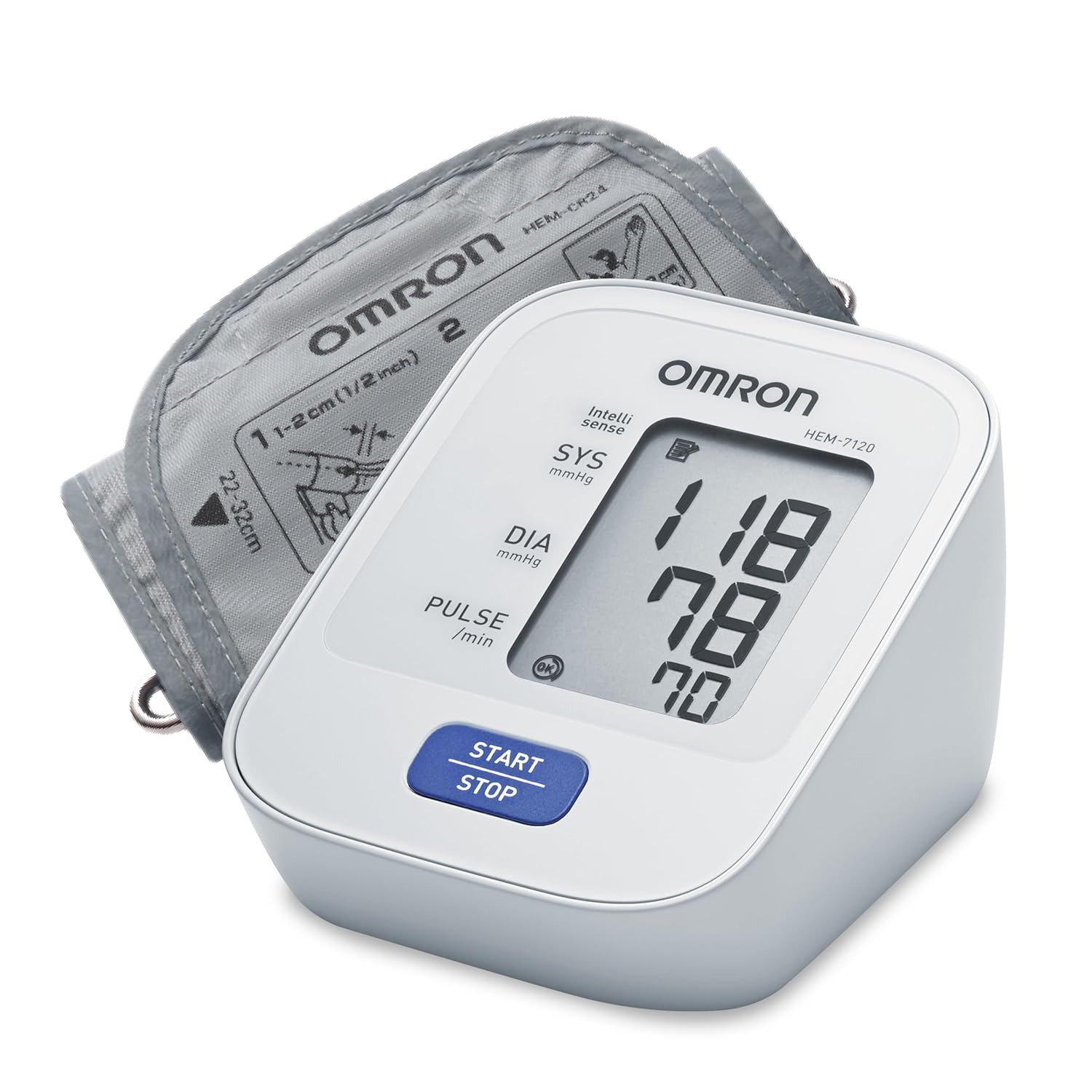
<p>For Rs 1,669 with a 4.4-star listing, the Beurer PO 30 completes the home health kit alongside a BP monitor - the pairing this guide recommends to every household with members over 60.</p>
Why we recommend it
Key features
- Measures SpO2 (oxygen saturation) and pulse rate in seconds
- Easy-to-read OLED display with four layout rotations
- Suitable for all finger sizes, one-button operation
- Includes storage case and lanyard
- German engineering from Beurer - decades of health-device heritage
Pros
- Beurer brand reliability at a mid-budget price
- Clear OLED display readable in the dark
- Painless, instant readings - clip on, wait, done
- Essential companion to your home BP monitoring routine
Cons
- Readings can waver with cold fingers or nail polish
- Not a substitute for medical-grade hospital units
How to buy it
Pair this with the recommended BP monitor and you have the two measurements that matter most for home health tracking. For elderly parents especially, an oximeter catches trouble early - see the senior care tech guide for the full setup.
Who should buy it
Go for this if beurer brand reliability at a mid-budget price matters to you. It's also a strong pick because clear OLED display readable in the dark. It's also a strong pick because painless, instant readings - clip on, wait, done. At under ₹2,000, it's an easy pick for first-time buyers testing the waters. The standout feature: measures SpO2 (oxygen saturation) and pulse rate in seconds.
Who should skip it
Skip if readings can waver with cold fingers or nail polish is a dealbreaker. Also reconsider if not a substitute for medical-grade hospital units. Just keep in mind the entry-level price means a few premium features are understandably trimmed.